
When it comes to choosing a study table, one of the fundamental decisions you’ll face is the material — particularly whether to opt for a wooden study table (solid wood) or an engineered wood study table. On the surface both may look similar, but the differences run deeper in terms of durability, cost, appearance, and suitability for your space. In this guide, we’ll compare both types to help you decide which study table is the right investment for your home or study room.
1. Understanding the Two Materials
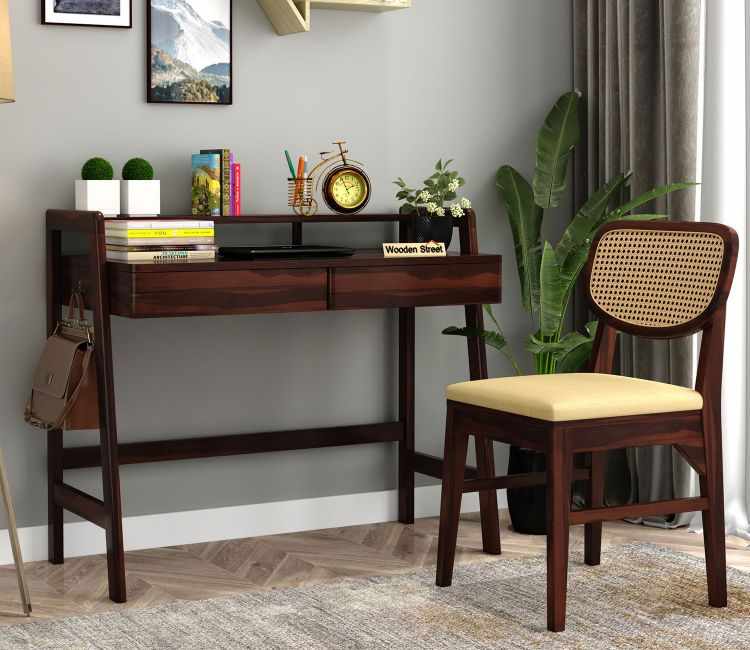
Solid wood (wooden study table) refers to furniture made entirely or primarily from a single piece or multiple pieces of natural timber. It has the natural grain, texture, and warmth of real wood.
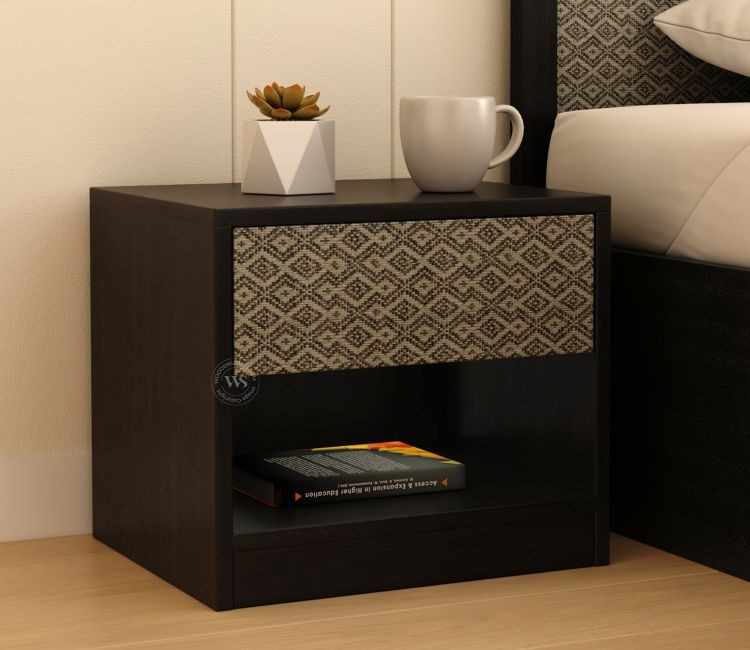
Engineered wood (engineered wood study table) is manufactured from wood by-products (veneers, fibres, wood particles) bonded under heat and pressure, often topped with a veneer or laminate.
Understanding this difference is key because it affects how the study table will perform over time.
2. Durability & Lifespan
Wooden study tables made from solid wood are known for their longevity. They can often be repaired, refinished and have high resale or heirloom value.
Engineered wood study tables offer good dimensional stability (less warping/expanding) especially in changing humidity or temperature conditions.
However, engineered wood generally cannot be refinished many times (if at all) and may have a shorter useful lifespan compared to high-quality solid wood.
Bottom line: If you want a study table that lasts for decades and can be refreshed, solid wood has the edge. If you’re looking for a more stable surface in a humid environment or a budget-friendly option, engineered wood may serve well.
3. Appearance & Aesthetics
A wooden study table exhibits natural grain, variation in texture and colour, giving it a warm, rich, and unique character.
An engineered wood study table often has a more uniform finish; it may mimic wood but lacks the full depth and variation of real timber.
For many interiors, the look of real wood adds value and style, especially in a study table for students or home offices where aesthetics matter.
Bottom line: If you prioritise the natural look and feel of timber, go wooden. If you prefer modern, consistent finishes and lower cost, engineered wood is acceptable.
4. Cost & Budget Considerations
Solid wood study tables typically cost more due to the raw material, craftsmanship, finishing, and transport (they tend to be heavier).
Engineered wood is more affordable, making it an attractive option for budget-conscious buyers or when furnishing multiple rooms.
For students or homes where the study table may need replacement sooner or used temporarily (e.g., rented rooms), engineered wood can be a smart compromise.
Bottom line: Match your budget, how long you plan to keep the table, and how much you value premium materials.
5. Environment, Maintenance & Condition
Solid wood needs maintenance: occasional polishing, avoiding extreme humidity, and ensuring good care to prevent cracks/warps.
Engineered wood handles humidity changes better, is lighter, easier to move and often easier to assemble.
One caveat: some engineered wood boards could use adhesives with VOCs; also edges and veneers may show wear more visibly.
Bottom line: Consider your room’s environment (humidity, direct sunlight, etc) and whether you’ll want to keep the table long term or move/replace it.
6. Suitability for Study Tables: Students & Home Use
For a student’s room, a study table will often see heavy usage — books, laptops, papers, maybe portability. An engineered wood study table can be practical and cost-effective.
For a home office or long-term investment, a wooden study table offers durability, premium feel and can become a lasting piece of furniture.
Also consider size, storage, ergonomics — regardless of material, these matter greatly in your study table design.
7. Key Features to Look For (Material-agnostic)
Whether you choose wooden or engineered-wood, ensure:
Adequate surface area for laptop, books, stationery
Proper ergonomics (leg room, correct height)
Good storage (drawers, shelves) if needed
Quality finish (in solid wood: good varnish/polish; in engineered: good veneer/laminate)
Fit for your budget and room space
8. Which One Should You Choose?
Here’s a quick decision-matrix for your study table for home:
If you want…Go for…Premium material, long lifespanSolid wooden study tableBudget‐friendly, lighter, easier to moveEngineered wood study tableMany decades of use, heirloom feelSolid woodShort‐term use, small room, rented spaceEngineered woodNatural grain, rich textureSolid woodUniform finish, modern lookEngineered wood
9. Why Buy from WoodenStreet?
When it comes to choosing your study table, our brand offers both high-quality options:
Solid wood study tables crafted from premium timber, built to last.
Engineered-wood study tables designed for space-saving, affordability and modern rooms.
Transparent pricing, so you can check the study table price for both material types.
Customisation options (size, finish) so you can match your room and budget.
Final Thoughts
In the debate “wooden study table vs. engineered wood study table”, there is no universal “better” — it all depends on your priorities: budget, space, usage, longevity and look. If you value timelessness, natural beauty and durability, go solid wood. If you need a smart value option, maybe for a student or temporary setup, engineered wood is a strong contender.
Whichever you choose, make sure you pick a design that fits your space, supports your productivity (storage, ergonomics), and aligns with your budget and lifespan expectations. Explore WoodenStreet’s collection of study tables for students and home offices — compare wooden and engineered wood options and make a confident choice.
Because the right study table is more than just a desk — it’s an investment in comfort, style and productivity.










Write a comment ...