
A coffee table is more than just a low table placed in front of a sofa—it is a functional and aesthetic centerpiece that brings balance, convenience, and style to a living space. From holding everyday essentials to enhancing interior design, the coffee table plays a crucial role in modern homes. In this guide, we’ll explore what a coffee table is, its purpose, types, materials, uses, and why it remains an essential piece of furniture in contemporary interior design.
What Is a Coffee Table?
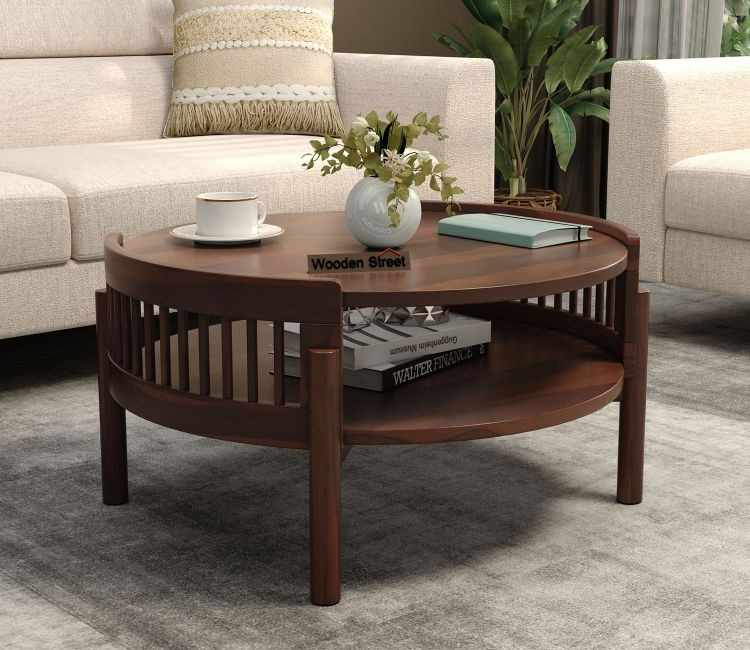
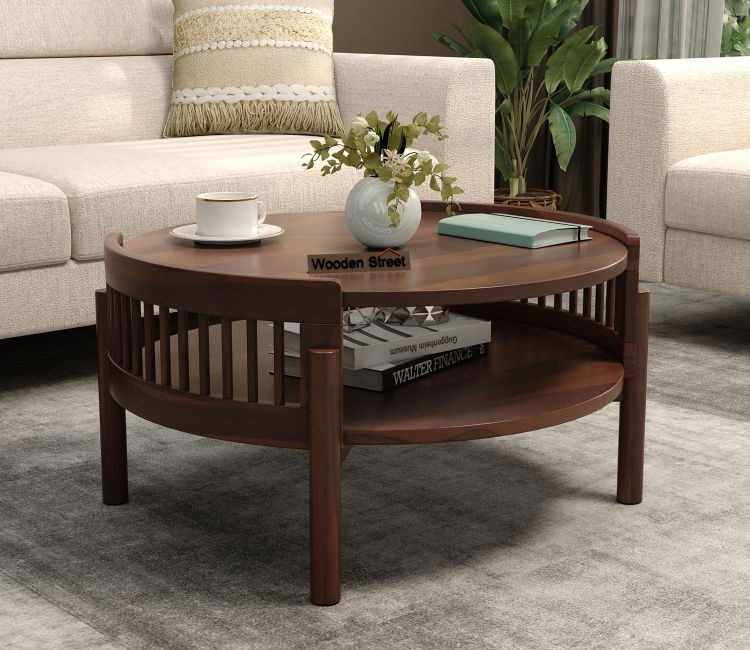
A coffee table is a low-height table typically placed in the center of a seating area, most commonly in the living room. Its primary function is to provide a convenient surface for placing beverages, books, decorative items, or daily-use essentials. Traditionally positioned in front of a sofa or between seating arrangements, the coffee table helps anchor the living room layout.
In modern interior design, coffee tables are available in various shapes, sizes, materials, and styles, making them both practical and decorative elements of home décor.
The Purpose of a Coffee Table
The purpose of a coffee table goes beyond holding a cup of coffee. Its design and placement contribute to both functionality and visual harmony in a room.
Key purposes include:
Providing an accessible surface for drinks, snacks, and books
Acting as a central focal point in the living room
Helping define the seating area
Supporting décor elements such as vases, trays, or candles
Offering storage in modern coffee table designs
Because of its central placement, the coffee table often sets the tone for the entire room’s design.
Common Uses of a Coffee Table in Everyday Life
A coffee table serves multiple everyday needs, making it one of the most versatile pieces of furniture in a home.
1. Functional Surface
The most basic use of a coffee table is to hold items like tea cups, remote controls, laptops, or magazines, ensuring everything is within arm’s reach.
2. Decorative Display
Coffee tables are often styled with décor items such as books, plants, sculptures, or trays, making them a key element of living room aesthetics.
3. Storage Solution
Many modern coffee tables come with drawers, shelves, or lift-top designs that provide extra storage for clutter-free living.
4. Social and Family Use
During gatherings, coffee tables act as a shared surface for snacks and games, enhancing comfort and interaction.
Importance of a Coffee Table in Modern Homes
In today’s homes—especially compact apartments and multifunctional living spaces—a coffee table plays an important role in optimizing both space and style.
Enhances Interior Design
A well-chosen coffee table complements sofas, rugs, and other furniture, tying the room together visually.
Improves Functionality
Modern coffee table designs focus on usability, offering storage and adaptability without occupying much space.
Reflects Personal Style
Whether minimalist, rustic, industrial, or contemporary, a coffee table reflects the homeowner’s design preferences.
Supports Space Planning
In open-plan homes, a coffee table helps define the living area without using partitions or walls.
Types of Coffee Tables
There are several types of coffee tables designed to suit different needs and interiors.
Wooden Coffee Table
A wooden coffee table is timeless and durable, offering warmth and natural appeal. It works well in both traditional and modern interiors.
Glass Coffee Table
Glass coffee tables create a sense of openness and are ideal for small living rooms as they don’t visually crowd the space.
Metal Coffee Table
Metal coffee tables often suit industrial or modern interiors and are known for their sleek and sturdy design.
Storage Coffee Table
Designed with drawers or shelves, storage coffee tables are perfect for homes that prioritize organization.
Nesting Coffee Table
Nesting coffee tables consist of two or more tables that can be stacked or separated as needed, offering flexibility in modern homes.
How to Choose the Right Coffee Table
Selecting the right coffee table depends on several factors related to space, functionality, and style.
Size and Proportion
The coffee table should be proportional to the sofa and seating area. Ideally, it should be about two-thirds the length of the sofa and similar in height to the seat cushions.
Shape
Rectangular coffee tables suit long sofas
Round or oval coffee tables are safer for homes with children
Square coffee tables work well with sectional seating
Material
Choose materials that align with your lifestyle—wood for durability, glass for elegance, or metal for a modern look.
Functionality
If storage or versatility is important, opt for lift-top or storage coffee table designs.
Coffee Table Styling Tips
Styling a coffee table enhances the overall look of the living room.
Use a tray to organize smaller items
Mix heights with books, plants, and décor objects
Avoid overcrowding to maintain balance
Choose décor that complements your interior design theme
Simple styling can make a coffee table look intentional and visually appealing.
Coffee Tables in Modern Interior Design Trends
Modern interior design emphasizes clean lines, multifunctional furniture, and natural materials. Coffee tables today often feature:
Minimalist designs
Sustainable wood finishes
Smart storage solutions
Neutral and earthy tones
These trends highlight the evolving role of the coffee table as both a functional and design-forward piece.
Conclusion
A coffee table is an essential element of modern home furniture, offering the perfect balance of practicality and style. From serving daily needs to enhancing interior design, its importance in the living room cannot be overstated. With the wide range of coffee table designs available today, homeowners can easily find one that fits their space, lifestyle, and aesthetic preferences. Whether simple or multifunctional, a thoughtfully chosen coffee table adds comfort, character, and completeness to any home.

Write a comment ...