
A bedside table may seem like a small piece of furniture, but it plays an important role in both bedroom functionality and interior design. From holding essentials like lamps and books to contributing to the overall visual balance of the room, the right bedside table can significantly enhance everyday comfort. However, choosing a bedside table is not just about looks. Factors such as size, storage capacity, and material all influence how practical and long-lasting it will be.
This guide explains what to look for in a bedside table, focusing on size, storage, and material, to help you understand how this essential furniture piece fits into a well-designed bedroom.
Why a Bedside Table Matters in a Bedroom
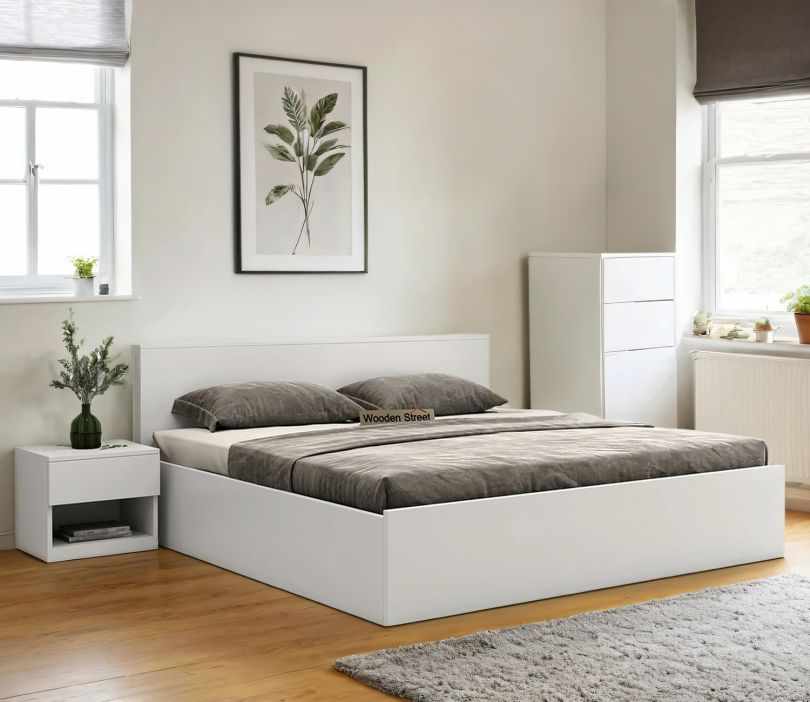
A bedside table serves as a functional extension of the bed. It provides a convenient surface for items you use daily, such as alarm clocks, glasses, phones, or nighttime reading material. Beyond function, a bedside table also helps visually anchor the bed within the room, making the space feel complete and balanced.
In interior design, bedside table contribute to:
Symmetry and proportion in bedroom layouts
Ease of access to essentials while resting
Storage organization in compact spaces
Because of this dual functional and aesthetic role, selecting the right bedside table requires thoughtful consideration.
Choosing the Right Bedside Table Size
Ideal Height of a Bedside Table
One of the most important aspects of a bedside table is its height. Ideally, the top of the bedside table should be level with or slightly lower than the mattress height. This allows easy access to items without excessive reaching.
General guidelines:
Standard bedside table height: 24–28 inches
Low-profile beds work better with shorter bedside tables
Taller beds or box mattresses pair well with higher bedside tables
Choosing the wrong height can make even a visually appealing bedside table feel uncomfortable to use.
Width and Depth Considerations
The size of a bedside table should be proportionate to the bed and available space.
When considering width and depth:
Small bedrooms benefit from compact bedside tables with narrow footprints
Larger bedrooms can accommodate wider bedside tables for added surface area
Avoid bedside tables that block walking space or drawer access
A bedside table should never overwhelm the bed, nor should it look undersized next to it.
Understanding Storage Options in a Bedside Table
Storage is one of the key functional reasons people use a bedside table. The right storage configuration depends on how the bedside table will be used daily.
Drawer-Based Bedside Tables
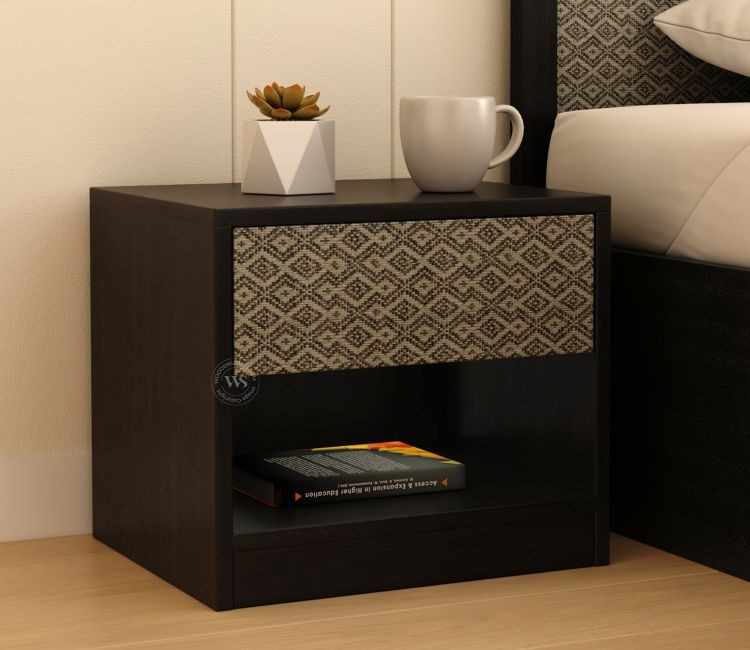
A bedside table with drawers is one of the most common and practical choices. Drawers allow you to keep items hidden, maintaining a clutter-free bedroom.
Best for storing:
Medications
Chargers and cables
Personal items
Small accessories
Single-drawer bedside tables work well in minimal setups, while multi-drawer designs provide more organization.
Open Shelf Bedside Tables
Open-shelf bedside tables feature one or more exposed compartments instead of drawers.
Advantages include:
Easy access to frequently used items
Visual lightness in small rooms
Ideal for books or decorative baskets
However, open bedside tables require tidier styling since items remain visible at all times.
Combination Storage Designs
Some bedside table designs combine drawers with open shelves, offering both concealed and accessible storage. These are useful for people who want functional variety without adding additional furniture.
Choosing the Right Material for a Bedside Table
The material of a bedside table affects its durability, appearance, and maintenance requirements. Selecting the right material ensures that the bedside table complements the bedroom while standing up to daily use.
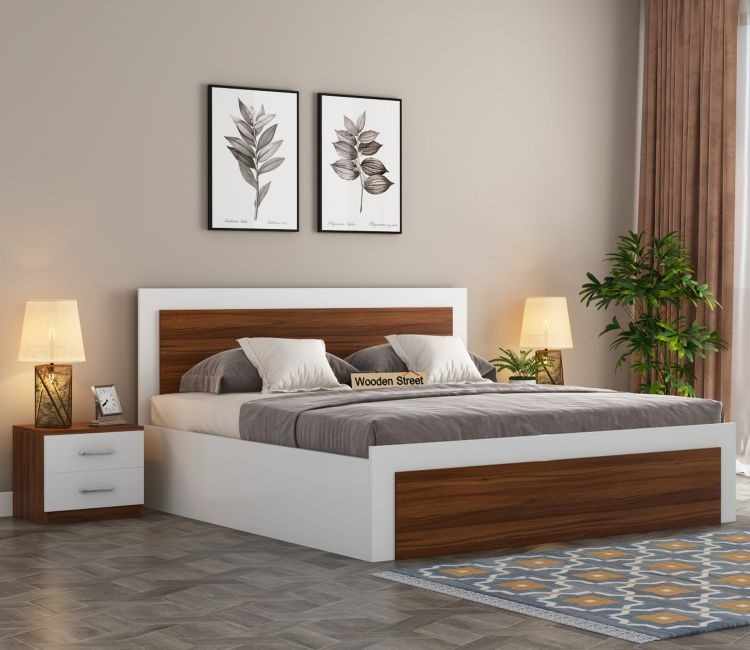
Wooden Bedside Tables
Wooden bedside tables are among the most popular choices due to their timeless appeal and durability.
Common types include:
Solid wood bedside tables (durable and long-lasting)
Engineered wood bedside tables (cost-effective and lightweight)
Wooden bedside tables suit a wide range of interior styles, from traditional to modern, and age well with proper care.
Metal Bedside Tables
Metal bedside tables are often used in modern, industrial, or minimalist interiors.
Key characteristics:
Sleek and contemporary appearance
High durability
Easy to clean
However, metal bedside tables may feel colder in appearance and are often paired with wood or fabric elements to soften the look.
Glass Bedside Tables
Glass bedside tables create a light, airy feel and work well in small bedrooms where visual openness is important.
Pros:
Visually unobtrusive
Modern and elegant look
Cons:
Require frequent cleaning
Less forgiving of daily wear
Glass bedside tables are best suited for low-clutter environments.
Upholstered and Mixed-Material Bedside Tables
Some bedside tables feature fabric upholstery or a mix of materials such as wood and metal. These designs add texture and softness to bedroom interiors but may require more maintenance.
Style and Design Considerations
While size, storage, and material are essential, the style of a bedside table should also align with the overall bedroom design.
Consider:
Clean-lined bedside tables for modern interiors
Ornate or detailed designs for classic bedrooms
Minimalist bedside tables for Scandinavian or contemporary spaces
The bedside table should visually complement the bed, wardrobe, and other furniture pieces.
Practical Factors to Keep in Mind
Before finalizing a bedside table, consider these practical aspects:
Ease of cleaning: Smooth finishes are easier to maintain
Durability: A bedside table should withstand daily use
Functionality: Storage and surface space should match your routine
Placement: Ensure drawer and door clearance near the bed
These small considerations can significantly impact long-term satisfaction.
Conclusion
A bedside table is more than just a surface next to the bed—it is a functional, organizational, and design element that enhances everyday comfort. Choosing the right bedside table involves understanding proper size proportions, selecting suitable storage options, and picking materials that align with both lifestyle and interior aesthetics.
By paying attention to these factors, a bedside table can seamlessly integrate into the bedroom, offering convenience, balance, and lasting functionality.





Write a comment ...